
The Cortisol Connection: Why Major Financial Decisions Are Health Decisions

The Cortisol Connection: Why Major Financial Decisions Are Health Decisions

Charles Brown No Comments
Man sits at a modern desk with his head in his hands, looking stressed while surrounded by financial papers under dramatic...

The Cortisol Connection: Why Major Financial Decisions Are Health Decisions

That feeling is all too familiar: the sleepless nights before closing on a house, the knot in your stomach when you look at student loan balances, or the constant, low-level anxiety of managing a tight budget. These feelings aren’t just “in your head”—they trigger a powerful physiological response in your body. At genomehealthsolutions.com, we are dedicated to pioneering the new standard of care: precision genomic medicine. We believe that understanding the deep, biological connections between life’s stressors and your unique genetic makeup is the key to true, individualized health. This post will explore one of the most critical connections of all: the link between your finances and your health, mediated by a powerful hormone called cortisol.

A professional woman with a serious, pensive expression looks at her laptop screen in a bright, minimalist office, contemplating a major decision.

Key Takeaways

  • Major financial decisions and chronic money worries trigger the body’s stress response, leading to elevated levels of the hormone cortisol.
  • Prolonged high cortisol can negatively impact physical and mental health, contributing to weight gain, high blood pressure, anxiety, and increased risk for chronic diseases.
  • Individual responses to stress are not uniform; your unique genetic makeup plays a significant role in how your body produces and processes cortisol.
  • Precision medicine offers a path forward, using genomic insights to create personalized health strategies that account for your individual stress response.
  • Managing financial stress is a critical component of a proactive health strategy, and understanding your biology can empower you to do it more effectively.

TL;DR

Financial stress isn’t just mental; it’s physical. It causes the body to release the stress hormone cortisol, which, over time, can damage your health. Your personal genetics influence how you handle this stress, and understanding that genetic blueprint through precision medicine is the future of managing your well-being.


The Body’s Stress Response System, Originally Designed for Short-Term Physical Threats, Is Now Constantly Activated by Modern Financial Pressures

Your nervous system can’t tell the difference between being chased by a predator and facing a mountain of debt. It reacts the same way: by triggering a cascade of hormones designed for immediate survival. This system, known as the hypothalamic-pituitary-adrenal (HPA) axis, is a masterpiece of evolutionary engineering meant to save your life from immediate, physical danger. In our modern world, however, where financial stressors are chronic rather than fleeting, this ancient survival mechanism can be pushed into a dangerous overdrive, with significant consequences for your health.

What is Cortisol? The Body’s Built-in Alarm System

To understand the cortisol connection, it’s essential to first understand the hormone itself.

Cortisol: A steroid hormone produced by your adrenal glands, often called the primary “stress hormone.”

Cortisol is far from a villain; it’s essential for life. In a healthy, balanced system, it plays several crucial roles. It helps regulate your metabolism by controlling how your body uses fats, proteins, and carbohydrates. It reduces inflammation throughout the body and is a key component in controlling your sleep-wake cycle.

Its most famous role, however, is in the “fight-or-flight” response. When your brain perceives a threat, it signals your adrenal glands to release a surge of cortisol and adrenaline. This provides a quick burst of energy, increases your heart rate, and sharpens your focus, preparing you to either confront the danger or escape it. In these short, controlled bursts, cortisol is a lifesaver.

From Short-Term Alert to Chronic Overload

The problem arises when the “threat” isn’t a tiger in the grass but a stack of bills on the kitchen table. An acute stressor, like a near-miss in traffic, causes a temporary spike in cortisol, after which your body’s parasympathetic nervous system kicks in to calm things down, returning you to a state of equilibrium.

Chronic financial stressors—such as long-term unemployment, market volatility, or the overwhelming process of a major purchase like a home—don’t offer that same resolution. The perceived threat is constant. This keeps the cortisol alarm ringing indefinitely, preventing your body from returning to its normal, relaxed state. This sustained state of high alert is where financial anxiety begins to transform into a physical health issue.

Chronic Stress from Financial Decisions Triggers a Constant Release of the Hormone Cortisol, Disrupting Your Body’s Natural Balance and Leading to Significant Health Problems

When your body is perpetually flooded with cortisol, systems that are meant to be temporarily suppressed during a crisis—like digestion, reproduction, and immunity—remain sidelined, while others, like blood pressure, stay dangerously elevated. According to the American Psychological Association, long-term activation of the stress-response system can disrupt almost all your body’s processes. This sustained disruption is the core of the cortisol connection, turning a financial problem into a tangible health crisis.

The Physical Toll: Weight Gain, High Blood Pressure, and Weakened Immunity

The long-term effects of elevated cortisol are well-documented and impact nearly every system in the body.

  • Weight Gain and Metabolic Issues: Cortisol can increase your appetite, particularly for high-calorie, high-sugar foods. It also signals the body to store fat, especially visceral fat around the abdomen. This type of fat is particularly dangerous as it surrounds your internal organs and is metabolically active, releasing hormones and inflammatory substances that increase your risk for type 2 diabetes and heart disease.
  • Cardiovascular Strain: To prepare you for “fight or flight,” cortisol constricts blood vessels and increases your heart rate and blood pressure. When this state becomes chronic, it puts a constant strain on your cardiovascular system. Over time, this can lead to hypertension (high blood pressure), a major risk factor for heart attack and stroke.
  • Weakened Immunity: While short bursts of cortisol can temper inflammation, chronic exposure actually suppresses the immune system’s effectiveness. This leaves you more vulnerable to common infections like colds and the flu, and can slow down wound healing. It may also exacerbate autoimmune conditions.

The Mental Impact: Anxiety, Brain Fog, and Decision Fatigue

The damage isn’t purely physical. The same hormonal cascade that affects your body also profoundly impacts your brain.

A person viewed from the side, holding their head in one hand as they look down at a stack of bills, set against a clean, minimal background.

  • Anxiety and Mood Disorders: There is a strong, bidirectional link between cortisol and mental health. High cortisol levels are frequently observed in individuals with anxiety disorders and depression. The constant feeling of being “on edge” that cortisol produces can fuel cycles of worry and negative thinking.
  • Cognitive Impairment: Chronic stress can impair the function of the prefrontal cortex, the area of your brain responsible for executive functions like concentration, planning, and memory. This leads to the frustrating experience of “brain fog,” where you struggle to think clearly or remember important information.
  • Decision Fatigue: Making sound decisions requires significant mental energy. When your brain is already taxed by chronic stress, your capacity for thoughtful decision-making diminishes. This “decision fatigue” is particularly cruel in a financial context, as it makes it even harder to make the wise choices needed to alleviate the very stress that’s causing the problem, creating a vicious cycle.

Not Everyone’s Stress Response Is the Same, as Individual Genetic Variations Can Influence Cortisol Production and Sensitivity

You have likely noticed that some people seem to thrive under pressure while others crumble at the first sign of trouble. This isn’t just a matter of willpower or mindset; it’s often a matter of biology. Your DNA contains the specific instructions for how your body builds and operates its stress-response machinery, making your experience of the cortisol connection unique to you.

The Genetic Component: Why Your Friend Stays Calm Under Pressure

The field of genetics has identified numerous variations, or polymorphisms, in genes that regulate the HPA axis. These subtle differences in your genetic code can have a significant impact on your stress response.

For example, variants in genes like NR3C1 (which codes for the glucocorticoid receptor that cortisol binds to) and FKBP5 (a gene that helps regulate that receptor) can alter how your body perceives and reacts to stress. Some genetic profiles might lead to a higher baseline level of cortisol, while others might cause an exaggerated cortisol spike in response to a stressor. Still others might make your body less efficient at clearing cortisol from your system once the stress has passed.

Think of it like a home alarm system. Some people have a “hair-trigger” alarm that goes off at the slightest disturbance. Others have a “less sensitive” system that requires a more significant event to be activated. Neither is inherently “good” or “bad,” but understanding which system you have is crucial for managing it effectively.

Understanding Your Unique Blueprint for Stress Management

This genetic variability is a critical piece of the modern health puzzle. It explains why a stressful situation might be a minor inconvenience for one person but a major health challenge for another. At genomehealthsolutions.com, we see this not as a deterministic fate, but as an incredible opportunity. Knowing your genetic predispositions for stress response is not about predicting a negative outcome; it’s about gaining the power to create a personalized strategy for resilience, tailored to your body’s specific needs.

The Future of Healthcare Lies in Using Precision Genomic Medicine to Create Personalized Strategies for Managing Stress and Its Health Impacts

The era of one-size-fits-all health advice is ending. As patients become more knowledgeable and empowered, they are rightly seeking care that recognizes their individuality. This analog-to-digital shift in medicine presents “big data” challenges that require new tools and expertise. At genomehealthsolutions.com, we are at the forefront of this transformation, providing the insights necessary to translate complex genetic data into actionable, individualized care plans that represent the new standard of care.

Moving Beyond Generic Advice like “Reduce Stress”

Telling someone who is genetically predisposed to an exaggerated cortisol response to simply “reduce stress” is like telling someone to “be taller.” It’s unhelpful because it ignores the underlying biological reality. A precision medicine approach moves beyond this generic advice. For instance, knowing that your body struggles to clear cortisol might mean that specific nutritional interventions, certain types of exercise like yoga, or targeted mindfulness techniques could be far more effective for you than for someone with a different genetic profile. This allows for proactive care, identifying and mitigating risks before they evolve into chronic conditions.

How genomehealthsolutions.com Helps Providers and Patients

Our role is to bridge the gap between raw genetic data and meaningful clinical action. We help healthcare providers navigate the immense complexity of genomics, enabling them to deliver the most advanced and individualized care to their patients. For patients, we provide access to profound information about their own bodies. This empowers you to become an active partner with your doctor, making the most informed decisions possible for your long-term health and well-being.

You Can Take Proactive Steps to Manage the Cortisol Connection by Integrating Financial Wellness with Your Overall Health Strategy

Understanding the science is the first step; taking action is the next. By treating your financial health with the same seriousness and intention as your physical health, you can actively work to lower your chronic stress levels and protect your body from the long-term effects of cortisol.

Practical Tips for Reducing Financial Stress

Gaining a sense of control is one of the most powerful antidotes to financial anxiety.

  • Create a Budget: The simple act of tracking your income and expenses can transform a vague sense of worry into a concrete, manageable plan.
  • Build an Emergency Fund: Having a financial cushion for unexpected events (a car repair, a medical bill) can dramatically lower your baseline stress level, as it provides a buffer against shocks.
  • Develop a Debt-Tackling Plan: Whether you use the “snowball” or “avalanche” method, having a methodical plan to pay down debt creates a sense of progress and forward momentum.
  • Seek Clarity in Major Decisions: When facing a huge financial step like buying a home, knowledge is power. Understanding all the variables, including things like the often unseen costs of a 6% commission, can reduce uncertainty and the stress that comes with it.

Lifestyle Changes to Counteract High Cortisol

Alongside financial strategies, you can make lifestyle choices that help regulate your body’s stress response.

  • Nutrition: Certain nutrients support a healthy stress response. Foods rich in Vitamin C (citrus fruits, bell peppers), magnesium (leafy greens, nuts), and Omega-3 fatty acids (fatty fish, walnuts) can be beneficial.
  • Exercise: Regular physical activity is a powerful cortisol regulator. While intense exercise can temporarily raise cortisol, moderate activities like brisk walking, swimming, and especially yoga have been shown to lower cortisol levels and reduce perceived stress.
  • Sleep: Cortisol levels naturally dip at night to allow for restful sleep. Chronic stress disrupts this rhythm. Prioritizing 7-9 hours of quality sleep per night is one of the most crucial things you can do for hormonal balance.
  • Mindfulness: Practices like meditation, deep-breathing exercises, and spending time in nature can activate the body’s relaxation response, actively lowering cortisol and promoting a sense of calm.

Your Biology, Your Balance Sheet

Your bank account and your biology are more deeply and intricately connected than you might imagine. Every major financial decision is also a health decision, with the power to influence your body’s stress response through the cortisol connection. While this link can be a source of significant health problems, it also presents a profound opportunity. By understanding this connection—and, more importantly, by understanding your own unique genetic predispositions—you can move from a reactive state of anxiety to a proactive state of health management. The future of medicine is personal, and it begins with knowing yourself, right down to your DNA. This is the new standard of care, and it’s one that ensures that no matter who you are or where you live, you have access to the advanced, individualized insights you need to thrive.

Frequently Asked Questions

What is the connection between making a major financial decision and my physical health?
Major financial decisions and chronic money worries can trigger your body’s stress response, leading to the release of a hormone called cortisol. This physiological reaction directly links your financial state to your physical health.
What is cortisol and why is it bad for me when I’m stressed about money?
Cortisol is the body’s primary stress hormone. While it’s useful for short-term ‘fight or flight’ situations, prolonged high levels caused by chronic financial stress can negatively impact your health, contributing to issues like weight gain, high blood pressure, anxiety, and increased risk for chronic diseases.
Does everyone’s body react to financial stress in the same way?
No, individual responses to stress are not uniform. According to the article, your unique genetic makeup plays a significant role in how your body produces, processes, and responds to cortisol, meaning the health impact of financial stress can differ from person to person.
How can precision medicine or genomics help with stress from financial decisions?
Precision medicine uses genomic insights to understand your body’s unique stress response. This allows for the creation of personalized health strategies tailored to how your body specifically handles cortisol, offering a more effective way to manage the health impacts of financial stress.

Smarter Spending on the Northshore: 5 Local Services That Save Covington & Mandeville Residents Thousands

Charles Brown No Comments
Sun-drenched street in a beautiful Northshore neighborhood like Covington, with large oak trees and well-kept homes repres...

Smarter Spending on the Northshore: 5 Local Services That Save Covington & Mandeville Residents Thousands

Living on the Northshore offers a unique quality of life, but with the rising cost of living, residents in Covington and Mandeville are constantly seeking intelligent financial choices. “Smarter spending” isn’t about being cheap; it’s about investing in long-term value, preventing future costs, and enhancing your well-being. It’s a proactive mindset that pays dividends for years to come.

A close-up of a person's hands carefully placing a coin into a clear glass jar, symbolizing the intentional act of smart saving and investment growth.

At Genome Health Solutions, we believe this principle of smart, proactive investment is most critical when applied to your health. We are dedicated to bringing precision genomic medicine to the Northshore, ensuring that where you live doesn’t limit your access to the most advanced, individualized care. This post explores five local ways to spend smarter, culminating in the most important investment you can make: your long-term health. This guide will walk you through five key areas where strategic local spending can save you thousands, from your home to your health, empowering you to live a more secure and prosperous life.

Key Takeaways

  • Smarter spending on the Northshore is about investing in long-term value and prevention, not just finding the lowest price.
  • Proactive choices in home maintenance, food, finance, and fitness can prevent massive future expenses.
  • The most impactful “smart spend” is on your health, using advanced tools like precision medicine to avoid the high cost of ineffective, one-size-fits-all treatments.
  • Genome Health Solutions brings this forward-thinking approach to healthcare directly to the Covington and Mandeville communities, empowering local doctors with the new standard of care.

TL;DR

This article outlines five ways for Northshore residents to save thousands by spending smarter, not cheaper. It covers proactive home maintenance, local food sourcing, personalized financial planning, and specialized fitness. The core argument is that the ultimate smart investment is in precision healthcare from providers like Genome Health Solutions, which prevents costly and ineffective medical treatments by personalizing care based on your unique genetic makeup.


1. Proactive Home Maintenance from Trusted Northshore Professionals Prevents Catastrophic Expenses Down the Line.

The concept of preventative versus reactive spending is most apparent in homeownership. A small, planned investment in an annual HVAC tune-up or a roof inspection from a local Covington contractor can prevent a $10,000 emergency replacement during a sweltering Louisiana summer. In our humid, storm-prone climate, ignoring small issues like minor leaks or inefficient air conditioning is a recipe for financial disaster. Proactive maintenance is not a cost; it’s an insurance policy against catastrophic failure and exorbitant emergency fees.

Why It’s a Smarter Spend

  • Avoids Emergency Costs: Emergency repair services are always priced at a premium. A planned service call is significantly less expensive than a desperate, after-hours call when a system has completely failed.
  • Extends System Lifespan: Regular maintenance on major systems like your HVAC, roof, and plumbing can add years to their operational life, delaying the massive capital expense of a full replacement.
  • Improves Energy Efficiency: A well-maintained air conditioner or a properly sealed roof attic uses less energy. According to the U.S. Department of Energy, simple measures like sealing air leaks and adding insulation can save homeowners an average of 15% on heating and cooling costs. This translates to direct savings on your monthly utility bills.

Local Northshore Examples

Instead of waiting for a crisis, schedule annual check-ups with reputable HVAC technicians in Mandeville to ensure your system is ready for the summer heat. Engage licensed roofers in Covington for a post-storm season inspection to catch small issues before they become major leaks. And consider preventative plumbing services on the Northshore to clear drains and check for hidden leaks that can cause water damage and mold. Protecting the value of your largest asset is a core financial principle, a concept well understood by experts in the local real estate market who see firsthand how deferred maintenance impacts a home’s selling price.

2. Sourcing Food from Local Covington and Mandeville Farms is a Direct Investment in Your Long-Term Health and Community.

Framing your grocery budget as a healthcare investment can fundamentally change your spending habits. While the per-item cost at a local farmers’ market might occasionally be higher than at a big-box store, the long-term health benefits derived from fresh, nutrient-dense food can drastically reduce future medical expenses. Buying from local producers is a direct deposit into your personal wellness account and the economic health of the Northshore community.

Why It’s a Smarter Spend

  • Lowers Long-Term Healthcare Costs: A diet rich in fresh fruits and vegetables is proven to help manage and prevent chronic conditions like heart disease, diabetes, and obesity. The Centers for Disease Control and Prevention (CDC) reports that 90% of the nation’s $4.1 trillion in annual health care expenditures are for people with chronic and mental health conditions. Investing in better nutrition now is a powerful strategy to avoid becoming part of that statistic.
  • Higher Nutritional Value: Food that travels shorter distances from the farm to your table retains more of its vital nutrients. Produce at large grocery chains can spend days or weeks in transit and storage, diminishing its nutritional content.
  • Supports the Local Economy: When you buy from a local farmer, that money stays on the Northshore. It pays for local jobs, supports other local businesses, and contributes to the tax base that funds our schools and infrastructure. This creates a more resilient and prosperous community for everyone.

Where to Find Them

The Northshore is rich with opportunities to buy local. The Covington Farmers Market and the Mandeville Trailhead Community Market are vibrant hubs where you can meet the people who grow your food. Another excellent option is joining a local Community Supported Agriculture (CSA) program, where you pay a farm upfront for a “share” of the season’s harvest, receiving a box of fresh produce weekly.

3. Partnering with a Local Financial Advisor or Credit Union Provides Personalized Strategies to Secure Your Financial Future.

Using a local Northshore financial expert who understands the regional economic landscape provides a personalized roadmap to wealth, unlike the generic, one-size-fits-all advice from a national call center. This isn’t an expense; it’s a strategic tool for generating massive savings and growth. A local professional understands St. Tammany Parish property taxes, the Louisiana insurance market, and regional investment opportunities, offering advice that is directly relevant to your life.

Why It’s a Smarter Spend

  • Yields Tangible Returns: Tailored advice on retirement planning, college savings, and investment strategies can yield thousands in returns and tax savings over time. Studies have consistently shown the value of professional advice; for instance, Vanguard’s research suggests that a good advisor can add about 3% in net returns per year for their clients.
  • Better Rates and Lower Fees: Local credit unions are member-owned and often offer more competitive interest rates on loans and savings accounts, along with lower fees, than large national banks. This keeps more of your hard-earned money in your pocket. This is similar to how innovative business models, like the one pioneered by the original 1 Percent List HUB office on the Northshore, can save clients thousands on major transactions.
  • Prevents Costly Mistakes: A professional can help you avoid common but costly financial errors, from choosing the wrong investment vehicles to failing to plan for taxes, thereby safeguarding and building your long-term wealth.

The Value of a Personalized Approach

The power of local financial advice lies in its personalization. Just as a financial advisor creates a plan based on your specific goals, income, and risk tolerance, modern medicine should be tailored to your unique biological makeup. This principle of personalization is the most powerful tool we have for achieving optimal outcomes, whether for our finances or our physical health.

A happy couple enjoying the peace and security of their beautiful home, relaxing on a bright, modern porch as a result of smart financial decisions.

4. Utilizing Specialized Local Fitness Programs Helps Prevent Costly Injuries and Promotes Lifelong Wellness.

Spending money on a generic, big-box gym membership that you rarely use is a classic example of “cheap” spending that provides no value. A smarter spend is investing in a specialized service—like a physical therapist-led pilates class, a yoga studio focused on mobility, or a personal trainer—that directly addresses your specific needs, keeps you engaged, and helps prevent costly future injuries.

Why It’s a Smarter Spend

  • Focuses on Injury Prevention: The ultimate “savings” in fitness is avoiding injury. The cost of surgery and rehabilitation for a common injury like a torn ACL can easily exceed $20,000 to $50,000. A specialized program designed by an expert who understands biomechanics can help you build strength and mobility safely, drastically reducing your risk.
  • Provides Expert Guidance: Working with a professional ensures you are exercising effectively and with proper form. This not only prevents injury but also maximizes your results, making your investment of time and money far more efficient.
  • Drives Higher Engagement: Specialized, smaller-group settings or one-on-one training foster accountability and community, leading to better consistency and long-term adherence compared to anonymous, unguided workouts.

The Northshore Wellness Scene

Covington and Mandeville boast a diverse and sophisticated wellness scene. From boutique yoga and Pilates studios to physical therapy centers that offer fitness programs, residents have access to a wide array of expert-led options. Investing in these services is an investment in your functional longevity and a preventative measure against future medical bills.

5. Embracing Precision Medicine is the Ultimate Smart Investment, Saving Northshore Residents from the Immense Cost of Ineffective Healthcare.

The previous four points all lead to a single, powerful conclusion: the most impactful and intelligent investment you can make is in your long-term health, using the most advanced and personalized tools available. For too long, medicine has operated on a “trial-and-error” basis. A doctor prescribes a standard medication, and you wait to see if it works. This approach has immense hidden costs: wasted money on ineffective prescriptions, lost productivity from work, and the physical and emotional toll of treatments that fail to provide relief or cause debilitating side effects.

How Genome Health Solutions Embodies Smarter Spending

Genome Health Solutions is a service provider that champions a smarter, more efficient approach. We help your doctor use your unique genetic information to make proactive, personalized healthcare decisions. This is the new standard of care, moving away from guesswork and toward precision.

A prime example is the application of pharmacogenomics.

  • Pharmacogenomics (PGx): This is the study of how your genes affect your body’s response to medications. A simple genetic test can reveal which drugs will be most effective for you, which will be ineffective, and which could cause a dangerous adverse reaction.

This isn’t just about saving a few dollars on co-pays. It’s about avoiding the enormous downstream costs of non-optimized medication therapy. Adverse drug reactions are a significant burden on the healthcare system, leading to an estimated 1.3 million emergency department visits each year in the United States. By identifying the right drug at the right dose the first time, you save money, time, and most importantly, your health.

Bringing Advanced Care to the Northshore

Our core belief is that who you know and where you live should not limit your access to advanced technologies. You shouldn’t have to travel to a major metropolitan medical center to receive the best care. Genome Health Solutions empowers your local Covington and Mandeville doctors with the tools and data they need to provide this cutting-edge, individualized care right here at home. We are closing the gap, ensuring every patient on the Northshore can benefit from the life-changing potential of precision medicine.


A Proactive Approach to a Prosperous Northshore Life

True “Smarter Spending on the Northshore” is about a fundamental mindset shift—from reactive to proactive, from generic to personalized, and from focusing on price to investing in value. Whether it’s maintaining your home with trusted professionals, securing your finances with tailored advice, or strengthening your body with expert guidance, the smartest choices are the ones that are customized to you and prevent catastrophic costs later.

Nowhere is this more true, or more critical, than in your health. The old model of one-size-fits-all medicine is inefficient and expensive. By embracing a personalized approach, you are making the single most important investment possible: an investment in a longer, healthier, and more prosperous life. The future of healthcare is personal, and it’s available right here on the Northshore.

Frequently Asked Questions

What does ‘smarter spending’ mean in the context of this article?
Smarter spending is defined not as being cheap, but as a proactive mindset focused on investing in long-term value. It involves making choices that prevent larger future costs and enhance your overall well-being.
What are the key areas where Northshore residents can spend smarter?
The guide highlights five key areas for strategic spending: home maintenance, food, finance, fitness, and the most crucial area, long-term health.
Why is this guide specifically for residents of Covington and Mandeville?
The guide is tailored to residents of the Northshore to address the area’s rising cost of living and provide relevant, local strategies for making intelligent financial choices that save money and improve their quality of life.
According to the post, what is the most important investment a person can make?
The article states that the most impactful and important ‘smart spend’ is a proactive investment in your long-term health, utilizing advanced and individualized care to prevent future issues.

Recognizing the Signs of Adderall Addiction

Charles Brown No Comments
A professional looking stressed or overwhelmed at a desk

“`json

“`

Recognizing the Subtle Signs of Adderall Addiction: A Guide to Early Intervention

Introduction: Unmasking the Hidden Struggle

Adderall, a powerful stimulant, is often prescribed for ADHD and narcolepsy, but its potential for misuse and addiction is significant. Recognizing the signs of Adderall addiction can be challenging, as its effects can initially mimic improved focus or energy, making the transition from use to dependence insidious. This guide from genomehealthsolutions.com aims to shed light on the often-overlooked indicators, empowering you to identify the early signs of Adderall addiction and seek timely support. learn more about our approach

The Deceptive Nature of Adderall Use: Why It’s Hard to Spot

From Prescription to Problem: The Slippery Slope

Many individuals begin Adderall use with a legitimate prescription, making it difficult for them and their loved ones to recognize when use escalates into a problem. The initial benefits, such as enhanced concentration or weight loss, can mask the progression of stimulant addiction, leading to increased dosage or frequency. Understanding this progression is key to recognizing the subtle shifts that indicate a growing dependence on Adderall.

The Mask of Functionality: High-Functioning Addiction

Individuals struggling with Adderall addiction may appear to function normally, or even exceptionally well, in their daily lives, making the signs less obvious. They might maintain jobs, relationships, and responsibilities, leading others to dismiss concerns about their Adderall use. It’s crucial to look beyond surface-level functionality to truly recognize the underlying struggle. understanding high-functioning addiction

Physical Signs of Adderall Addiction

Changes in Appearance and Energy Levels

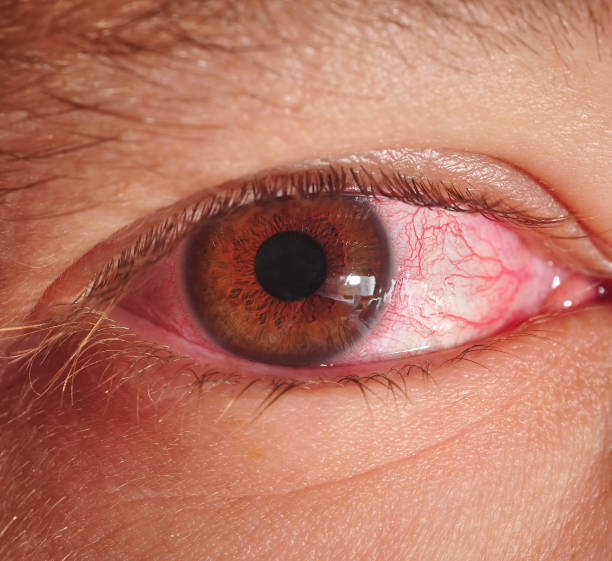
Unexplained and significant weight loss, often accompanied by a loss of appetite, is a common physical sign of Adderall addiction. Noticeable changes in sleep patterns, including insomnia or extreme fatigue when the drug wears off, can indicate a problem with Adderall use. Dilated pupils, rapid speech, and excessive sweating are also physical signs that may point to Adderall addiction.

Health Complications and Neglect

Frequent complaints of headaches, stomach issues, or heart palpitations can be physical signs of Adderall addiction impacting the body. Poor hygiene or a general decline in self-care, which is uncharacteristic for the individual, can be a subtle sign of their focus shifting to drug use. Increased susceptibility to illness due to a weakened immune system is another health-related sign to consider when recognizing Adderall addiction. health and wellness resources

Behavioral Signs of Adderall Addiction

Altered Daily Routines and Priorities

A sudden and intense preoccupation with obtaining, using, and recovering from Adderall use, often at the expense of other activities, is a significant behavioral sign. Neglecting responsibilities at work, school, or home, such as missing deadlines or appointments, can be a clear indicator of Adderall addiction. Engaging in secretive behavior, lying about Adderall use, or hiding the drug are strong behavioral signs that someone is struggling with addiction.

Prescription pills scattered on a table

Social and Occupational Impact

Withdrawal from social activities, friends, and family, especially if they express concern about Adderall use, is a common behavioral sign. Strained relationships, increased arguments, or sudden changes in social circles can be indicators of the impact of Adderall addiction. Job loss, academic decline, or financial difficulties directly linked to Adderall use are serious behavioral signs that require immediate attention.

Psychological and Emotional Signs of Adderall Addiction

Mood Swings and Mental State

Extreme mood swings, ranging from euphoria and irritability to anxiety and depression, are prominent psychological signs of Adderall addiction. Increased paranoia, hallucinations, or delusional thinking, particularly during periods of heavy use or withdrawal, are severe psychological signs. A noticeable decrease in motivation or pleasure from activities once enjoyed, known as anhedonia, can be an emotional sign of Adderall addiction.

Cognitive Impairment and Obsession

Difficulty concentrating, memory problems, or impaired judgment when not under the influence of Adderall can be cognitive signs. An obsessive focus on Adderall, constantly thinking about the next dose or how to acquire more, is a clear psychological sign of addiction. Denial about the extent of their Adderall use or the problems it’s causing is a powerful psychological barrier to recognizing and addressing the addiction.

When to Seek Help: The Importance of Early Recognition

Taking the First Step Towards Recovery

Recognizing the signs of Adderall addiction in yourself or a loved one is the critical first step towards recovery and a healthier future. Do not wait for the situation to worsen; early intervention significantly improves the chances of successful treatment for Adderall addiction. Trust your instincts if you suspect a problem; your concern is valid and important.

Support and Treatment Options from Genome Health Solutions

At genomehealthsolutions.com, we understand the complexities of Adderall addiction and offer comprehensive, evidence-based solutions. We provide resources and guidance for individuals and families recognizing the need for help, connecting them with appropriate treatment pathways. Contact us today to learn more about our personalized approaches to overcoming Adderall addiction and reclaiming a healthy life. our comprehensive treatment programs

Conclusion: Empowering Recognition, Inspiring Recovery

Recognizing the signs of Adderall addiction is a profound act of care, whether for yourself or someone you love. By understanding the physical, behavioral, and psychological signs, we can move past denial and towards proactive solutions. Genome Health Solutions is here to support you on this journey, offering hope and effective strategies for recovery from Adderall addiction.

Your Guide to Holiday Recovery: Compassionate Insights for Seasonal Well-being

Charles Brown No Comments
Person relaxing after holidays

“`html

“““html

Your Guide to Holiday Recovery: Compassionate Insights for Seasonal Well-being

Introduction: Beyond the Merriment: Reclaiming Your Inner Balance Post-Holidays

The holiday season, while brimming with opportunities for joy, connection, and celebration, often comes with its own unique set of demands. Increased social obligations, shifts in routine, dietary indulgences, and even the emotional weight of expectations can leave us feeling depleted, out of sync, and yearning for a return to equilibrium. It’s a common experience, and recognizing it is the first step towards healing.

This comprehensive guide offers compassionate insights to help you navigate holiday recovery and restore your seasonal well-being. We understand that your journey is personal, and generic advice often falls short. Here, you’ll discover personalized strategies designed to gently transition you from festive chaos to renewed vitality, helping you cultivate a stronger sense of self and a resilient foundation for the year ahead.

Understanding the Post-Holiday Dip: More Than Just the Blues

The aftermath of the holidays isn’t just a mental state; it’s a complex interplay of physiological and psychological tolls. The constant stimulation, altered sleep patterns, and often less-than-ideal dietary choices can impact everything from your gut microbiome to your stress hormone levels. You might experience a range of symptoms: persistent fatigue, heightened stress and anxiety, digestive issues like bloating or discomfort, and emotional fluctuations that can feel overwhelming.

Recognizing these subtle signs that your body and mind need recovery is crucial. This isn’t about blaming yourself for enjoying the holidays, but rather understanding why a proactive and informed approach to seasonal well-being is essential for long-term health, not just a quick fix. Just as we understand the need for precision in medicine, we recognize the importance of precise self-awareness in your personal health journey.

Reclaiming Your Rhythm: Practical Steps for Holistic Recovery

Nourish Your Body: Gentle Reset for Digestive Health

After a period of indulgence, your digestive system often appreciates a gentle reset. Focus on incorporating nutrient-dense whole foods: vibrant fruits and vegetables, lean proteins, and healthy fats. Ample hydration with water and herbal teas is key to supporting natural detoxification processes and gut health. Practice mindful eating, slowing down to truly savor your meals and paying attention to your body’s hunger and fullness cues. This helps re-establish healthy patterns and prevents overeating. Understanding how specific dietary choices impact your unique energy levels and overall well-being during this seasonal transition empowers you to make choices that truly serve your body, such as focusing on personalized nutrition for optimal gut health.

Prioritize Rest: The Foundation of True Recovery

Quality sleep is non-negotiable for recovery. Implement strategies for optimizing sleep hygiene, such as creating a consistent sleep schedule (even on weekends) and a calming bedtime routine. This might include dimming lights, avoiding screens an hour before bed, or taking a warm bath. Understand the profound impact of quality sleep on mood regulation, cognitive function, and physical recovery. It’s during sleep that your body repairs tissues, consolidates memories, and balances hormones. Give your body the essential time it needs to truly recuperate and repair after the demands of the holiday season.

Move with Intention: Gentle Movement for Mind and Body

You don’t need to jump into intense workouts immediately. Instead, incorporate light and enjoyable physical activity, such as walking in nature, gentle yoga, or stretching. These activities can significantly reduce stress, improve circulation, and boost your mood without overtaxing your system. Listen to your body’s needs, opting for gentle movement rather than pushing for intense workouts immediately post-holidays. Explore the undeniable link between consistent, mindful physical activity and mental well-being, especially during colder seasonal months when sunlight exposure might be limited.

Person meditating calmly

Cultivating Mental & Emotional Resilience: Compassionate Insights for Inner Peace

Mindful Practices for Stress Reduction

The holidays can leave an emotional residue. Engage in simple mindfulness exercises, deep breathing techniques, or journaling to process post-holiday emotions and anxieties. These practices help you observe your thoughts and feelings without judgment, fostering a sense of calm. Set realistic expectations for your recovery journey, avoiding self-criticism and embracing patience with your progress. Recovery is not a race. Embrace self-compassion as a cornerstone of your journey to renewed seasonal well-being and inner peace. Treat yourself with the same kindness you would offer a friend.

Reconnecting with Your Purpose and Routine

Gradually re-engage with hobbies, work, and social connections that genuinely bring your joy and a sense of meaning. This helps re-establish a sense of normalcy and purpose. Set small, achievable goals to regain a sense of control and accomplishment, building momentum for the new year. This could be as simple as planning one healthy meal a day or dedicating 15 minutes to a beloved hobby. Reflect on the insights gained from the holiday period – what brought you joy, what caused stress, what you might do differently next year – to inform future choices and cultivate a more balanced lifestyle with effective stress management techniques for modern life.

Beyond Generic Advice: Tailoring Your Path to Well-being

At genomehealthsolutions.com, we believe that who you are and where you live should not limit your access to advanced technologies and individualized care. This philosophy extends to your holiday recovery. Recognize that your recovery journey is unique, and “one-size-fits-all” advice may not fully address your individual needs. Your genetic makeup, lifestyle, and personal experiences all play a role in how you respond to stress and how quickly you recover.

Emphasize the importance of listening to your body’s signals and adapting strategies based on your personal responses and preferences. What works for one person might not work for another, and that’s perfectly normal. Understand how a deeper awareness of your unique health landscape – a foundational concept in precision medicine – can empower more effective and sustainable seasonal well-being strategies. Learn more about understanding your unique health profile to ensure your recovery plan is as unique as you are.

Conclusion: Embracing Your Journey to Renewed Well-being

Your Guide to Holiday Recovery is not just about bouncing back; it’s about embarking on a journey of self-compassion, intentional action, and a deeper understanding of your unique needs. By applying these compassionate insights, you can effectively navigate the post-holiday period and emerge with renewed vitality and a stronger sense of seasonal well-being.

Remember, prioritizing your health is an ongoing commitment, not a seasonal task. Understanding your unique needs – much like the precision we bring to genomic medicine – is the first step towards lasting wellness. Embrace this journey, be kind to yourself, and step into the new year with a refreshed spirit and a resilient body by understanding the power of proactive health.

“`

Recognizing the Signs of Adderall Addiction: A Knowledgeable Guide

Charles Brown No Comments
A hand holding a prescription pill bottle.

“`json

“““html

Empowering Awareness: A Knowledgeable Guide to Recognizing the Signs of Adderall Addiction for Personalized Support

Introduction: Understanding Adderall’s Impact in a World of Precision Health

In an era where precision and individualized care are becoming the standard, understanding the nuances of health challenges, including addiction, is paramount. Just as we strive for tailored treatments based on unique genetic profiles, we must also apply a similar lens to behavioral health. Adderall, a prescription stimulant, is widely prescribed for ADHD and narcolepsy, yet its misuse can lead to significant dependence and addiction, often subtly at first. This knowledgeable guide aims to empower individuals, caregivers, and healthcare providers with the insights needed for recognizing the signs of Adderall addiction early, paving the way for timely and personalized intervention. At genomehealthsolutions.com, we believe that who you know and where you live should not limit your access to advanced technologies and individualized care, and this extends to understanding and addressing complex health issues like addiction.

The Dual Nature of Adderall: Benefit and Risk

Adderall is a central nervous system stimulant that can significantly improve focus and attention for those with legitimate medical needs, offering a vital tool for managing conditions like ADHD. However, its potent effects also make it susceptible to misuse, particularly among those seeking enhanced performance, academic advantage, or recreational highs, leading to a high potential for amphetamine and methamphetamine addiction. Understanding this delicate balance between therapeutic benefit and inherent risk is the first step in recognizing when therapeutic use crosses into dangerous territory.

Why Early Recognition Matters: A Proactive Approach to Well-being

Just as precision medicine focuses on early, targeted interventions to optimize outcomes, early recognizing the signs of Adderall addiction is crucial for better outcomes. Delaying intervention can lead to more severe health complications, deeper psychological dependence, and greater challenges in recovery. This knowledgeable guide emphasizes proactive awareness as a cornerstone of individualized health management, allowing for interventions that are as precise and effective as possible. Empowered patients, armed with knowledge, are better equipped to seek and find the most advanced and individualized care.

Behavioral Signs: Unmasking Changes in Daily Life

Changes in Daily Routine and Priorities

A clear indicator of developing Adderall addiction is a noticeable shift in an individual’s daily routine and priorities. This can manifest as:

  • Neglecting responsibilities at work, school, or home in favor of obtaining or using Adderall.
  • Spending an excessive amount of time and energy on Adderall-related activities, such as doctor shopping for prescriptions or engaging in illicit purchases.
  • A noticeable shift in social circles, often gravitating towards others who also misuse stimulants, while distancing from those who don’t.

Social Withdrawal and Secrecy

As addiction progresses, individuals often become more secretive about their Adderall use, leading to social isolation:

  • Becoming increasingly isolated from friends and family, often to hide drug use or avoid confrontation.
  • Engaging in secretive behaviors, lying about Adderall use, or hiding stashes of the drug in unexpected places.
  • Exhibiting defensiveness or anger when confronted about their Adderall use, often deflecting or minimizing the issue.

Impaired Functioning in Key Areas

The perceived benefits of Adderall often give way to significant impairment in crucial aspects of life:

A person showing signs of anxiety and stress.

  • A significant decline in academic or professional performance, despite initial perceived benefits from the drug, due to erratic use or withdrawal.
  • Financial difficulties due to the cost of purchasing Adderall or neglecting financial responsibilities in favor of drug use.
  • Engaging in risky behaviors while under the influence of Adderall, such as reckless driving, unprotected sex, or making impulsive decisions.

Physical Manifestations: The Body’s Warning Signals

Altered Sleep Patterns and Energy Levels

Adderall’s impact on the central nervous system often leads to profound disturbances in sleep and energy:

  • Experiencing severe insomnia or extreme fatigue when not using Adderall, often leading to a cycle of stimulant use to stay awake and then crashing.
  • Periods of hyperactivity, restlessness, and intense focus followed by crashes of exhaustion and lethargy.
  • Noticeable changes in physical appearance due to lack of sleep, poor self-care, and general neglect.

Appetite Suppression and Weight Changes

One of the most common physical effects of Adderall is its impact on appetite:

  • Significant and unexplained weight loss due to Adderall’s appetite-suppressing effects, often leading to an unhealthy body mass.
  • Irregular eating habits, often skipping meals or eating very little, sometimes for days.
  • Malnutrition and associated health problems due to prolonged poor dietary intake, impacting overall health and immunity.

Cardiovascular and Neurological Symptoms

The stimulant nature of Adderall places stress on the cardiovascular and nervous systems:

  • Increased heart rate, elevated blood pressure, and potential heart palpitations, even at rest, increasing the risk of cardiac events.
  • Experiencing tremors, muscle twitching, or involuntary movements, particularly in the hands or face.
  • Frequent headaches, dizziness, or blurred vision, which can be signs of neurological stress or dehydration.

Psychological and Emotional Indicators of Dependence

Mood Swings and Irritability

The emotional landscape of someone struggling with Adderall addiction is often volatile:

  • Exhibiting extreme and rapid shifts in mood, from periods of intense euphoria and confidence to profound sadness, anxiety, or anger.
  • Increased irritability, agitation, and aggression, often disproportionate to the situation, making interactions difficult.
  • Difficulty managing stress and emotional regulation without the use of Adderall, relying on the drug to cope.

Anxiety, Paranoia, and Depression

Prolonged Adderall misuse can severely impact mental health:

  • Developing heightened anxiety, nervousness, or panic attacks, especially when the drug wears off or during withdrawal.
  • Experiencing paranoid thoughts or delusions, believing others are watching, judging, or conspiring against them.
  • Profound feelings of depression, hopelessness, and suicidal ideation, particularly during withdrawal periods or when the individual feels trapped by their addiction.

Cravings and Obsessive Thoughts

A hallmark of addiction is the overwhelming mental preoccupation with the substance:

A visual representation of the struggle with addiction.

  • Intense, persistent cravings for Adderall that dominate thoughts and actions, making it hard to focus on anything else.
  • Obsessive preoccupation with obtaining and using the drug, even when facing severe negative consequences.
  • A strong psychological dependence where the individual feels unable to function normally, concentrate, or experience pleasure without Adderall.

The Progression of Addiction: From Misuse to Dependence

Tolerance and Increased Dosage

The journey into addiction often begins with tolerance:

  • The need to take increasingly higher doses of Adderall to achieve the desired effects, indicating developing tolerance as the body adapts.
  • Frequent attempts to self-medicate or escalate dosage without medical supervision, often driven by a desire to recapture the initial “high” or therapeutic effect.
  • This escalation is a critical sign of developing Adderall addiction, moving beyond prescribed use into dangerous territory.

Withdrawal Symptoms

When Adderall use is reduced or stopped, the body reacts with withdrawal:

  • Experiencing uncomfortable and often severe physical and psychological symptoms when Adderall use is stopped or reduced.
  • Symptoms can include extreme fatigue, profound depression, increased appetite, vivid and often disturbing dreams, and slowed thinking (“brain fog”).
  • These withdrawal symptoms often drive continued use to avoid discomfort, reinforcing the addiction and making it incredibly difficult to stop without support.

Loss of Control

Ultimately, addiction is characterized by a loss of control over drug use:

  • Despite negative consequences, an inability to cut down or stop Adderall use, even when the individual genuinely wants to.
  • Repeated unsuccessful attempts to control or reduce drug intake, leading to feelings of frustration, guilt, and hopelessness.
  • Prioritizing Adderall use over all other aspects of life, including relationships, career, health, and personal values, demonstrating a complete loss of control.

Seeking Help: Pathways to Recovery and Individualized Care

The Importance of Professional Assessment

If you are recognizing these signs in yourself or a loved one, seeking professional help is the most crucial step. Just as precision medicine requires accurate diagnostics, addiction recovery begins with a thorough evaluation. A comprehensive assessment by a healthcare professional specializing in addiction can accurately diagnose the problem, determine its severity, and recommend appropriate care. Early intervention, guided by a knowledgeable expert, significantly improves recovery prospects. Find Addiction Recovery Resources

Treatment Options and Support Systems

Treatment for Adderall addiction often involves a combination of behavioral therapies, counseling, and support groups. Individualized treatment plans, much like precision medicine, are tailored to the specific needs and circumstances of the person struggling, addressing not just the substance use but also underlying mental health conditions and life challenges. Support from family, friends, and peer groups plays a vital role in sustained recovery, providing encouragement and accountability. Learn About Behavioral Therapies

Empowering Recovery Through Informed Choices

Recovery is a journey of empowerment, where individuals regain control over their health and lives. Access to accurate information and resources, as provided in this knowledgeable guide, enables informed decision-making throughout the recovery process. At genomehealthsolutions.com, we advocate for a future where every individual has access to the most advanced and individualized care for all health challenges, ensuring that patients are increasingly knowledgeable and empowered to seek and find the doctors and solutions that provide the most advanced and individualized care. Connect with Genome Health Solutions

Conclusion: A Call for Awareness and Compassionate Action

Recognizing the signs of Adderall addiction is the critical first step toward healing and recovery. This knowledgeable guide underscores the importance of vigilance, compassion, and proactive intervention in addressing stimulant misuse. By empowering ourselves and others with precise knowledge, we can foster a healthier community where individualized care and well-being are prioritized, ensuring that no one’s access to advanced support is limited by who they know or where they live. Let us embrace the analog-to-digital shift in medicine, using “big data” and precise information to guide us toward a future of holistic and personalized health solutions. Explore the Future of Precision Medicine

“`

How to Maintain Sobriety

Charles Brown No Comments
rehab facilities

How to Maintain Your Sobriety  

As a recovering drug addict with over twenty years of sobriety, I understand this can be a difficult and complex situation to write about.  Everyone is different, and people use drugs for vastly different reasons.  There’s millions of ways to be an addict, so just to start my article off on the right foot, let’s agree that this is a difficult subject to write about.  

My Experience with Addiction

So instead of discussing the varying commonalities among drug addicts and those who maintain long term sobriety, or other irrelevant statistics, I’m just going to share some experience and practical advice with you.  

For every one person who wants to learn how to stay sober or clean, there are equally as many answers.  Drug addiction is a highly personal thing.  It’s something that many people share, but then again, they don’t.  Some addictive behaviors may be similar, but the inner workings of an addict’s mind is a mystery for each and every one that exists.  In order for anyone, and I mean anyone to first obtain and second maintain sobriety through whatever hard times exist, no matter what happens in life… that takes very serious dedication.

The “dedication” part of it is where so many addicts have trouble.  And, conversely, this makes the argument for me that ongoing support and participation in some kind of regular meeting or group is supremely important in maintaining that dedication.  Dedication can change like an opinion, but if you have someone else helping to hold you accountable, the odds improve significantly that your dedication will not shift off course, which frequently leads to a relapse.

Now, most addicts who want to quit using their drug often enter some sort of substance abuse treatment center while they are highly motivated and even excited.  The first part of that process is going through a detoxification program. Although invariably a challenging part of the process, many feel as they complete their detox, the journey is over.

But as time passes, so can the determination to stay away from their drug.  Some addicts enter the treatment system as a result of external crisis.  Some come in with high levels of motivation for drug treatment, but others have less.

 Regardless of their level of motivation, however, entering a drug treatment facility can be a frightening experience and one that requires a high level of interest in resolving ones’ addiction.  I should also note that regardless of their motivation, the fact that they reached out for help should be commended and supported.    

One time in an Alcoholics Anonymous (AA) meeting, someone asked how the old timer’s had stayed sober.  Many of them admitted to slipping and relapsing occasionally, but the simple way to stay sober is just to not pick up the drink in the first place.  Sounds simple enough, right?  Just don’t have that drink.  Just don’t smoke that drug.  Just don’t take those pills.  Words of wisdom, for sure, but hardly easy.

So how does a person not pick up that drink, or stop using that drug? The answer is SUPPORT.  There is no doubt that the first thirty days of any detoxification process may be the most difficult and a lot of close observation and support is necessary during this time.  This is often hard to do in a home environment, especially in today’s world of working parents.  It’s hard to have 24/7 observation over anyone, much less a drug addict who may come up with extremely creative ways to get his or her next fix as soon as a blind eye is turned.  This is where in-patient care can be of the most help.  

In Patient Assistance

keep calm and stay soberWhen someone is getting in-patient care, it basically means they’ve been admitted as a patient into a drug rehab or treatment facility.  It also basically means they can’t leave until the in-patient treatment part is complete.  

Afterwards, they may recommend a half-way house, or possibly ongoing personal and/or group therapy for the initial and long-term maintenance.  Reason being, is that anyone serious addict who has been through treatment more than once can tell you, getting sober is easy.  Staying sober is hard.  

Staying sober has as many challenges as there are stars in the sky.  Addictions have a nasty habit of coming back at just the right time, like a thief in the night.  And the problem is, it usually only takes one use to trigger a full-blown relapse.  Just one.  


So how can anyone avoid this?  Well, for starters, inpatient drug treatment is very helpful in getting you clean.  A half-way house can provide monitoring and counseling, while still giving you exposure (and freedom) to the outside world.  Ongoing group counseling and/or personal therapy is where you’ll find the strength to turn down that opportunity to use your drug “just once more”.  It won’t hurt anything, right?  No, wrong.  

This is because of the nature of addiction.  You can’t be an addict and also have the ability to control your drug.  If you’re a real addict, your drug controls you.  This is important to know in order to fight it off.  Once you realize your drug can easily overpower you if you let it, it’s up to you to let it or not.

 It’s just as easy to pass on a drug as it is to pick it up and use again.  The difference comes from strength.  And we all know, there is strength in numbers.  So there’s your argument for long term AA or NA (Narcotics Anonymous), or a host of other ongoing treatment groups.  

Other things you can do to help maintain your sobriety include:

  • Keep Busy – A drug addict’s worst enemy is boredom, so by keeping yourself busy, you’re also keeping your mind off your addiction, passing time productively, and replacing bad habits with better ones.  
  • Talk – Don’t keep your addiction a secret.  The more people around you who know about your struggle, the more support you’re going to find.  It’s embarrassing the first time you tell someone you’re an addict, but becomes easier over time.  No matter how easy or hard it is to say it, if you do, you’ll likely find that most people will rally around and support you.  
  • Go to Meetings – This is also part of “Talk” above, but just with people who share similar experiences with addiction.  It’s one thing to sympathize with a person, but to have experienced something yourself and to have a better sense of exactly how that addict is feeling is a whole level of power altogether.
  • Seek professional help.  Sometimes, depending on the drug and its’ withdrawal symptoms, professional help is the only way to get clean.  But even if it’s not, you still need a doctor monitoring you, helping to make sure your body is strong and not suffering any serious effects from long term drug or alcohol abuse.  It’s no secret, it’s not uncommon for a serious alcoholic to die shortly after stopping drinking, so having proper medical attention relative to the person and the substance they’re abusing is very important to recovery.
  • Take Care of Yourself – Eat better, go to the Gym, start exercising, whatever.  Do those things you know you need to do simply to make your body feel better.  When we exercise, we feel better.  When we eat healthy, we feel better.  When we get proper rest, we feel better.  Pay attention to your body and start working in time for yourself to “make you feel better” without using drugs or alcohol.  
  • Reassess friendships – This one needs little explanation.  If you have a drug problem and continue hanging around other people who also have drug problems, you’re just making it easier to relapse.  To rid your life of serious drug addiction, sometimes you need to rid you life of people who might cause you to relapse.  
  • Find new ways to enjoy life – Therapy can help you learn to love yourself and enjoy life in ways you weren’t able to before.  Listening to old-timers in your groups can give you insight into the mental changes that take place, over time, in a recovering addict’s mind.  Learn to love yourself.  If you truly love yourself, you’ll take care of yourself better than you ever did before.  

Best of Luck!

Life gives no guarantees, except that it’s never easy.  We all have good days and bad days.  Don’t let the bad ones push you back into your addiction.  If alcohol is the challenge, find a good rehab for alcohol.

Controlling an addiction is a full time job, and one that you really can not do by yourself. Assess your situation now.  If you have an addiction of any kind, admit it to yourself, and get the proper help.  

I want you to succeed.  But start by realizing you are in control, not the drug, and get as much support as you can.  Remember the old saying, “one day at a time”.  You don’t have to strive for a lifetime of sobriety, you only have to strive for a day’s worth… one day at a time.  

Help Staying Sober

Addiction Treatment Options

Charles Brown No Comments
addiction treatment options

Recognizing substance dependence is the first step to recovery for many people. Next, they need to find a treatment program that will help them recover their health, happiness, and well-being.

There are many treatment options available. Some people who have severe addictions choose to enter a detox program before they can transition into rehabilitation. Some may opt to start their recovery in an outpatient or inpatient facility. It is recommended that you continue to reinforce the lessons from rehab by attending support groups or therapy sessions.

There is no one-size-fits-all approach to addiction recovery. No matter which treatment option you choose, you can be certain that it will provide everything you need for a successful recovery.

It is not easy to overcome an addiction. To achieve and keep sobriety for the long term, will require a lot of willpower and self-discipline. You’re not alone in this journey.

You’ll develop strong relationships with other people in recovery who can relate to your struggles during rehab. During this time, your family, friends, or other loved ones will be there for you.

How much effort you put into recovery from addiction will determine how successful it is. To better understand the consequences of addiction, you can see how it is dealt with below.

addiction treatment options

Different types of treatment

Each person is different and treatment programs can be tailored to suit their individual needs. The best treatment programs involve the entire recovery process.

  • Inpatient Rehab:
    Inpatient rehabs provide structured programs that address all aspects of an individual’s addiction. Inpatient rehab allows patients to reside in a drug-free environment and receive round-the-clock medical and therapeutic support. Inpatient rehab can be a great option for those who are suffering from chronic addiction or a co-occurring mental disorder.
  • Outpatient Rehab:
    Another form of comprehensive addiction treatment is outpatient rehab. These programs provide many of the same effective therapies and treatments as inpatient rehabs. Outpatient rehabs allow patients the opportunity to remain at home while they recover. Patients can work and care for their families, while still attending treatment sessions during the week. Keep in mind that outpatient rehabs don’t isolate patients from the outside world. Patients are more likely to encounter triggers that could challenge their sobriety. Outpatient rehabs can be used for people with mild addictions and those who have a disciplined, committed approach to their recovery. Outpatient programs can also be used as a “step down” program following inpatient treatment. They are often combined with sober housing homes.
  • Detoxification:
    The detoxification process allows people to safely stop using drugs and alcohol until they are completely free of them. This is often the first step to treating people suffering from severe or moderate addiction. Sometimes, medication-assisted treatment is required to ease withdrawal symptoms. The patient will often be tapered off any prescribed medications during detox until they are no longer dependent on the addictive substance.
  • Sober Living Homes:
    Sober living homes are a bridge between inpatient treatment and normal life. This is a great option for those in recovery who require additional support to reinforce what they have learned in rehab. People in recovery can benefit from sober living homes, which allow them to develop healthy new habits and still live in a structured environment.
  • Addiction Treatment Medications:
    Patients may be given medications during detox or treatment to aid in the healing process. These medications can be used to manage withdrawal symptoms, reduce cravings or treat co-occurring conditions. The best results from medication for addiction treatment are achieved when they are used in conjunction with a comprehensive treatment plan.
  • How to Stage an Intervention:
    An intervention is a meeting between loved ones and someone suffering from addiction. It is usually supervised by an intervention specialist. An intervention helps loved ones to express their feelings constructively and encourages a person struggling with addiction to enroll in treatment programs.
  • Faith-Based Treatment:
    Some people choose a more spiritual approach for their recovery. Faith-based rehab centers offer specialized programs and facilities that are centered around faith. This type of rehabilitation program allows people in recovery to surround themselves with others who share the same faith and are seeking guidance from a higher power to be strong for their future.

Rehabilitation

Dr. Ashish Bhatt MD explains that aftercare can be a key component in preventing relapses and ensuring long-term recovery.

Therapies

The treatment of addiction is based on the individual’s health and their substance abuse patterns. An array of group and individual therapy sessions are available, usually organized by addiction counselors.

  • Biofeedback Therapy:
    Biofeedback, a non-drug therapy that aids people in recovering from addiction, is a method of helping them understand their bodies’ involuntary processes. A therapist will place electronic sensors on the skin of a patient to monitor brain activity during a biofeedback session. The therapist will review brain wave patterns and recommend psychological techniques to overcome addictions.
  • Cognitive Behavioral Therapy:
    Cognitive-behavioral Therapy (CBT), is used to help individuals in recovery identify problematic thoughts and feelings that could compromise their sobriety, or lead to a relapse. This therapy can also be used to treat co-occurring conditions such as bipolar disorder.
  • Dialectical Behavior Therapy:
    Dialectical behavioral therapy (DBT) is used to treat severe mental disorders such as obsessive-compulsive disorder. It can also be combined with a substance abuse disorder. This therapy is designed to increase self-esteem, and stress management skills and help individuals in recovery eliminate triggers from their lives.
  • Experiential Therapy:
    Experiential therapy uses non-traditional methods to help addicts overcome the repressed emotions and feelings that may have led to their addiction. This therapy is often used for outdoor recreation activities like rock climbing.
  • Holistic Therapy:
    Holistic therapy focuses on the individual’s overall well-being. Withdrawal symptoms are also addressed. Holistic therapies can include yoga, acupuncture and art therapy.
  • Motivational Enhancement Therapy:
    Motivational enhancement therapy (MET), which is used to assist individuals in recovery, teaches them how to overcome any negative thoughts or behaviors that are associated with their addiction. This therapy is often used for people who are in recovery from substance abuse and have co-occurring disorders, such as bipolar disorder or post-traumatic stress disorder (PTSD).
  • Psychodynamic Therapy:
    Psychodynamic therapy allows individuals to explore their emotions and discover how their subconscious thoughts are related to their addiction. This allows you to determine the root cause of your substance abuse. Individuals will be able to recognize and avoid temptations if they work closely with therapists.
addiction treatment options

Support groups

It is highly recommended that patients join a support group after completing an addiction treatment program. Once you have finished treatment, support groups can help you stay on the right path to recovery. They also allow for ongoing care and guidance after rehabilitation. Support groups are a great way to get support and encouragement during your recovery.

Many support groups cater to certain substances and/or demographics. The right group will provide a supportive community that encourages and motivates each other to keep sobriety a priority.

  • 12-Step Programs:
    The 12-step program is the best way to recover from addiction. These programs are based on the 12-step model of addiction and the 12 traditions that were established by Alcoholics Anonymous founders. Many people find the programs extremely helpful in their recovery because they allow them to adapt the steps to suit their needs. Narcotics Anonymous and Alcoholics Anonymous are the most well-known 12-step programs.
  • Alcoholics Anonymous:
    Alcoholics Anonymous (AA), meetings offer a way for people to talk to each other about alcohol addiction and how it has impacted them. Most meetings of AA are held in a local setting such as a church, community building or church. While open meetings allow family members and loved ones to attend, closed meetings are for those who are in recovery.
  • Narcotics Anonymous:
    Narcotics Anonymous (NA), a support group that is similar to Alcoholics Anonymous, provides support and guidance for people who have an addiction to drugs. NA members encourage each other to keep sobriety in mind and to avoid falling back into old patterns of abuse. People share their stories of recovery and addiction at meetings.
  • SMART Recovery:
    SMART Recovery is an alternative to 12-step support groups. This program teaches recovering addicts how to manage their addictive behavior by dealing with the underlying thoughts, feelings and emotions that are associated with substance abuse. The “4-Point Program” is the basis of SMART Recovery. It has stages that can all be completed in any order.
  • Al-Anon/Nar-Anon:
    Al-Anon or Nar-Anon support groups are for family members and friends of people who have an addiction to drugs or alcohol. These support groups are designed to help loved ones realize that they’re not alone in their struggles. Al-Anon, Nar-Anon, and Nar-Anon stress addiction as a family disease and offer loved ones effective communication and coping methods.
  • Addiction counselors:
    A counselor for addiction is there to offer support and guidance to individuals who are undergoing treatment. Counselors develop a treatment plan and provide aftercare. They also conduct individual or group therapy sessions.
addiction treatment options

Get Treatment

Many medications and therapies can help you get through every stage of your recovery. There is also plenty of psychosocial support. This means that there are many people like you, who are willing to listen and offer a helping hand to anyone in need.

The only thing left is to decide to improve your life.

Dealing with Back Pain: Strategies for Relief and Recovery

Charles Brown No Comments
dealing with back pain

Back pain is a common ailment that affects millions of people worldwide. Whether it’s a dull, persistent ache or sharp, sudden discomfort, back pain, like shoulder pain, can significantly impact your daily life and well-being.

Fortunately, there are numerous strategies to help manage and alleviate back pain. In this article, we’ll explore the causes, prevention, and practical methods for dealing with back pain effectively.

Understanding the Causes of Back Pain

Back pain can result from various factors, and understanding the root cause is essential for effective treatment. Some common causes of back pain include:

Muscle Strain: Overexertion or improper lifting techniques can strain the muscles and ligaments in your back, leading to pain.

Herniated Disc: A herniated or ruptured disc can put pressure on nearby nerves, causing sharp, shooting pain.

Sciatica: Sciatica occurs when the sciatic nerve is compressed or irritated, often resulting in pain radiating down one leg.

Arthritis: Conditions like osteoarthritis or rheumatoid arthritis can lead to chronic back pain due to joint inflammation.

Spinal Stenosis: Narrowing of the spinal canal can put pressure on the spinal cord and nerves, causing pain and discomfort.

Poor Posture: Maintaining an improper posture over time can strain the back muscles and contribute to chronic pain.

Preventing Back Pain

Prevention is often the best strategy when it comes to back pain. Here are some tips to reduce your risk:

Maintain Good Posture: Be mindful of your posture when sitting, standing, or lifting. Use ergonomic chairs and desks to support your spine while working.

Exercise Regularly: Engage in activities that strengthen your core muscles, such as yoga, Pilates, and low-impact aerobic exercises. A strong core provides essential support for your back. Your doctor can give you a list of helpful exercises upon request.

Lift Properly: When lifting heavy objects, bend your knees, not your back, and keep the load close to your body. Avoid twisting while lifting.

Maintain a Healthy Weight: Excess weight can put added stress on your back. Maintaining a healthy weight through diet and exercise can help reduce the risk of back pain.

Stay Active: Avoid prolonged periods of inactivity. If you have a sedentary job, take regular breaks to stretch and walk around.

managing back pain

Managing Back Pain

If you’re already experiencing back pain, here are some strategies to help manage and alleviate it:

Rest: Give your back some time to heal by resting in a comfortable position. However, avoid prolonged bed rest, as it can lead to muscle stiffness.

Ice and Heat: Applying ice packs to the affected area can help reduce inflammation, while heat therapy can relax tense muscles. Alternate between ice and heat for 20-30 minutes at a time.

Over-the-Counter Medications: Non-prescription pain relievers like ibuprofen or acetaminophen can provide temporary relief. Always follow the recommended dosage guidelines to avoid abuse.

Physical Therapy: A physical therapist can develop a tailored exercise and stretching program to improve your back’s strength and flexibility.

Massage and Chiropractic Care: Some people find relief through massage therapy or chiropractic adjustments, which can help alleviate muscle tension and realign the spine.

Prescription Medications: In severe cases, your healthcare provider may prescribe stronger medications or muscle relaxants.

Injections and Surgery: For more serious conditions, such as herniated discs or spinal stenosis, injections or surgery may be necessary. These options should be discussed with a medical professional.

Seek Professional Help

If your back pain persists or worsens, it’s essential to consult with an experienced pain management specialist. They can diagnose the underlying cause and recommend appropriate treatment options tailored to your specific condition.

Conclusion

Dealing with back pain can be challenging, but with the right strategies and preventive measures, you can reduce its impact on your life. Remember to maintain good posture, exercise regularly, and seek professional guidance when needed. By taking a proactive approach to your back health, you can improve your quality of life and find relief from the discomfort of back pain.


Understanding Autism Spectrum Disorder (ASD)

Charles Brown No Comments
Autism Spectrum Disorder

Today, we’re talking about Autism Spectrum Disorder, or ASD for short. Understanding ASD is essential, whether you’re a parent, teacher, or just someone interested in learning more. In this article, we’ll cover what ASD is, what causes it, how it’s diagnosed, and what treatments are available.

What is Autism Spectrum Disorder (ASD)?

ASD is a condition that affects how a person interacts with the world around them. The doctors have a book called the DSM-5 that lays out what to look for to diagnose ASD. Two main areas show signs:

  • Social Communication and Interaction: Here, a person might have trouble with things like talking to people, making eye contact, or understanding facial expressions.
  • Restricted, Repetitive Behaviors and Interests: In this area, someone might do the same thing over and over again or be really, really interested in just one or two topics.

When we say “spectrum,” we mean that ASD affects different people in different ways. Some people might have mild symptoms, while others might have more severe challenges.

Causes and Risk Factors

The causes of Autism Spectrum Disorder are still not entirely understood, but ongoing research suggests it’s a combination of several factors. These are some of the primary factors thought to contribute to the risk of developing ASD:

Genetic Predispositions

While no single “autism gene” has been discovered, research shows that families with one child with ASD are at a higher risk of having another child with the condition. Genetic mutations and abnormalities in several genes are often seen in individuals with ASD. However, genetics alone can’t explain all cases, pointing to a more complex interaction between genes and the environment.

Environmental Factors

Some studies suggest that factors like exposure to certain chemicals during pregnancy, or experiencing high levels of stress, could potentially contribute to ASD. However, these are areas of active investigation, and nothing is definitive yet.

Parental Age at Time of Conception

Some research has shown a link between older parental age, particularly the age of the mother, and a higher risk of a child being born with ASD. While this is a point of active research, it’s important to note that most children of older parents do not develop ASD.

Preterm Birth

Being born prematurely, specifically before 26 weeks of gestation, has also been identified as a risk factor for ASD. Early birth can lead to various complications, including developmental issues that might contribute to ASD symptoms.

Low Birth Weight

Low birth weight has been correlated with a higher incidence of ASD, although the direct link is still not fully understood. Like preterm birth, low birth weight can lead to other complications that could possibly contribute to ASD.

Current Research and Hypotheses

With advances in medical research, several new hypotheses are being explored:

  • The role of the microbiome: Some researchers are looking into how gut bacteria might affect brain development.
  • Immune system factors: There is ongoing research to determine whether immune system abnormalities might play a role in ASD.
  • Neurological development: Studies are looking into how the brain develops in the womb and early childhood to better understand the origins of ASD.
Treatment

Treatment and Interventions for ASD

When it comes to treating Autism Spectrum Disorder, one thing becomes abundantly clear: there’s no “one-size-fits-all” solution. Each individual with ASD is unique, and what works for one person might not work for another. That said, there are several approaches commonly used to help manage the symptoms and challenges associated with ASD.

Overview of Why There is No “One-Size-Fits-All” Treatment

Because ASD is a spectrum disorder, each individual will have their own unique set of challenges and strengths. Some might have difficulties with social interactions but excel in academic subjects, while others might struggle with day-to-day activities. This diversity necessitates a personalized approach to treatment.

Behavioral Therapies

One of the most common types of intervention is behavioral therapy. These therapies aim to reinforce positive behaviors and minimize harmful or disruptive behaviors. Techniques can include reward systems, visual aids, and structured environments to help individuals with ASD understand and navigate social situations better.

Applied Behavior Analysis (ABA)

ABA is a widely-used behavioral therapy. It involves breaking down desired behaviors into smaller, learnable steps and rewarding positive behavior. ABA has been shown to be particularly effective in teaching social skills, reducing problem behavior, and improving academic performance.

Speech and Occupational Therapy

Speech therapy helps improve communication skills, while occupational therapy aims to improve the motor skills needed for everyday living, like dressing, eating, and handwriting.

Medication Options

While there’s no medication that treats ASD directly, medications like antipsychotics or antidepressants can help manage associated symptoms like irritability or aggression.

Social Skills Training

This involves structured learning of social norms and behaviors, often done in a group setting. For example, a child may be taught how to initiate and sustain conversations or how to interpret facial expressions.

Parent-Involved Interventions

Parents play a crucial role in any treatment plan. They can reinforce behavioral therapies at home, be involved in social skills training, and even administer some forms of therapy themselves under professional guidance.

Importance of Personalized Treatment Plans

It’s crucial to work with healthcare providers to tailor a treatment plan that meets the individual’s unique needs and circumstances. This could involve a combination of therapies, medication, and educational interventions, adjusted over time as needs and situations change.

Conclusion

At Genome Health Solutions, we know the field of ASD research is continually evolving, and each new study brings us closer to understanding this complex condition. Public discourse and personal experiences also contribute to this growing body of knowledge. Therefore, it’s important that we keep the conversation going—whether you’re a healthcare provider, a parent, an educator, or someone who is neurodiverse, your voice matters.

Let’s keep pushing for more research, better interventions, and a society that’s inclusive and accepting of everyone, including those on the autism spectrum.

How to Find a Good Doctor

Charles Brown No Comments
How to Find a Good Doctor

When it comes to our health, finding a good doctor is of paramount importance. The quality of care we receive greatly depends on the expertise, empathy, and professionalism of our healthcare providers. However, with a myriad of options available, choosing the right doctor can be a daunting task.

In this article, we will outline a step-by-step guide to help you find a good doctor who meets your needs and ensures excellent healthcare outcomes.

Define Your Needs

The first step in finding a good doctor is to assess your needs and expectations. Consider your medical history, any chronic conditions you may have, and the type of care you require. Are you looking for a general practitioner, a specialist, or a particular healthcare service? By clearly defining your needs, you can narrow down your search and focus on doctors who specialize in the relevant field.

Seek Recommendations

One of the most reliable ways to find a good doctor is through personal recommendations. Ask your family, friends, and colleagues for their experiences and recommendations. They can provide valuable insights based on their firsthand experiences, helping you identify doctors who have a positive reputation for delivering quality care.

Online reviews are another great place to go for information that can help you make a decision. If most of the reviewers had positive experiences, the doctor’s rating will reflect that. Likewise, if the doctor receives lots of complaints, it will likely show in the reviews. Any doctor that uses a healthcare SEO agency should be easy to find online.

Choosing a Primary Care Physician

Research and Check Credentials

Once you have a list of recommended doctors, conduct thorough research to evaluate their credentials and expertise. Verify their educational background, board certifications, and affiliations with reputable medical websites and organizations. Online platforms such as state medical board websites and physician directories can provide information on a doctor’s licensure, disciplinary history, and any malpractice claims.

Consider Experience and Specialization

Experience is an important factor when selecting a doctor. Find out how long the doctor has been practicing and inquire about their experience in treating conditions similar to yours. Additionally, consider their specialization. Specialists possess advanced knowledge and skills in specific areas, ensuring specialized care tailored to your needs.

Assess Communication and Bedside Manner

Effective communication is crucial in the doctor-patient relationship. Look for a doctor who actively listens, explains medical conditions and treatment options clearly, and encourages questions. A good doctor should show empathy, respect, and the ability to make you feel comfortable discussing your health concerns.

hospital

Evaluate Hospital Affiliations

If you require hospital care or specialized procedures, consider the doctor’s affiliations with hospitals or medical centers. Research the quality of care provided at those facilities and ensure they have a good reputation for patient outcomes and safety standards. A doctor with affiliations to reputable institutions can provide access to state-of-the-art facilities and a network of specialists.

Assess Accessibility and Convenience

Practical considerations such as the doctor’s location, office hours, and availability are important factors to consider. Evaluate the distance you are willing to travel, the accessibility of public transportation, and the doctor’s availability for appointments. Additionally, inquire about the doctor’s policy on after-hours care, emergency situations, and the availability of telemedicine options, if relevant.

Consult with Multiple Doctors

To make an informed decision, it is advisable to consult with multiple doctors. Schedule initial appointments to meet and interview potential doctors. Discuss your medical history, concerns, and treatment approach. This will provide an opportunity to gauge their compatibility, expertise, and level of interest in your healthcare needs.

Consider Insurance Coverage

If you have health insurance, review your policy to determine the doctors and healthcare providers included in your network. Selecting an in-network doctor will help you minimize out-of-pocket expenses. Contact your insurance company or check their online provider directory to confirm the coverage details.

Trust Your Instincts

Lastly, trust your instincts. Pay attention to how you feel during the initial consultation with the doctor. Do you feel heard, respected, and confident in their abilities? Your comfort and trust in the doctor play a significant role in establishing a successful doctor-patient relationship.

Conclusion

Finding a good doctor is a crucial step in ensuring quality healthcare. By defining your needs, seeking recommendations, researching credentials, evaluating experience and specialization, assessing communication skills, considering hospital affiliations and convenience, consulting with multiple doctors, reviewing insurance coverage, and trusting your instincts, you can make an informed decision. Remember, the right doctor is not only skilled and knowledgeable but also compassionate and committed to your well-being.